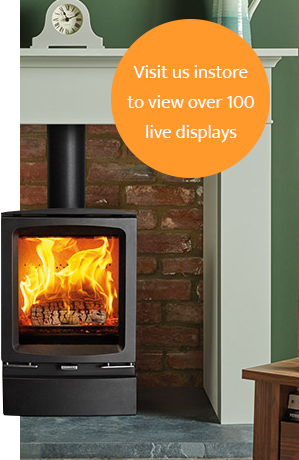
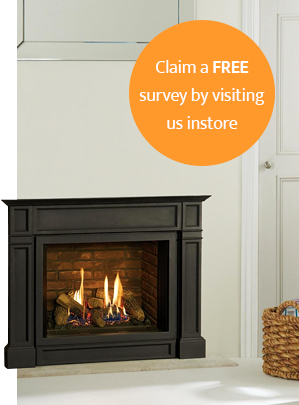
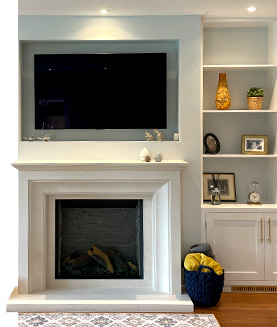
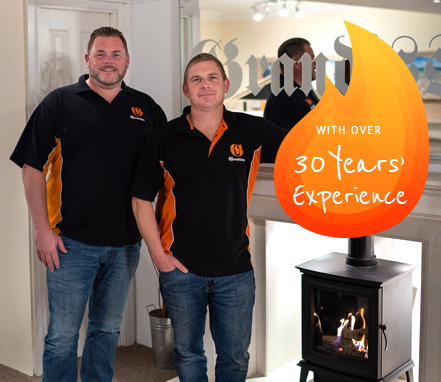
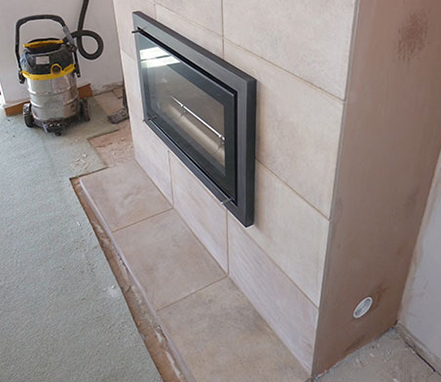
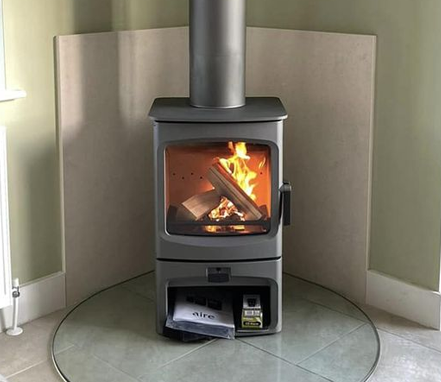
Our team of expert stove installers are ready to help you bring your vision to life and create your dream fireplace. Designed, built and installed by our
in-house installation team here at Grandisson.
Stove Installations at Grandisson
Specialising in design, supply and hassle-free installation of fireplaces
Let us take the stress out of installing your new fireplace. Our expert team will be there every step of the way, from designing and building your bespoke fireplace to installing your stove to meet all the latest safety and legal standards.
Our installation process provided
by our team of experts
Let us help you create a home you will love. Our experienced installers will take care of everything, but here's some information on what you can expect from your stove installation.
Initial Consultation
Start your installation process with a survey and consultation
This essential step is to ensure the ideal placement of new fires, taking into consideration the recommended clearance distances from walls and combustibles. This meticulous planning minimises fire risks, ensuring the heat produced is safely contained and doesn't pose a fire risk.
Chimney Inspections
Your chimney will need to be inspected before installing a stove
If your home has an existing chimney it will need to be cleaned out and inspected for signs of deterioration, such as cracks or loose bricks. Repairs to your chimney may be needed. Alternatively, we can design and create false chimney breasts.
Flooring Considerations
The floor around your stove will need to be considered
It's important that the space beneath the stove is non-combustible. If you're not using a pre-made hearth, then the foundation must be prepared by eliminating combustible materials and establishing a sturdy, fireproof base, such as concrete or tiled flooring.
Flue Pipes and Twin Wall Flues
Flue pipes are an important part of the install process
Flue pipes connect your stove to the chimney or external vent. If you have a brick chimney stack that is structurally sound and serviceable, then a single wall pipe should be fine. If your home doesn't have a chimney stack then you will need a twin wall flue to provide a safe exit for the smoke and fumes.
Chimney Liners and Register Plates
Chimney Liners and Register Plates are also important additions where required
If you're linking your stove to an existing chimney, use a chimney liner to facilitate an efficient exit for the smoke and prevent leaks into the house. A register plate will effectively seal the chimney's base, ensuring the passage of all smoke and fumes through the liner while preventing heat loss up the chimney.
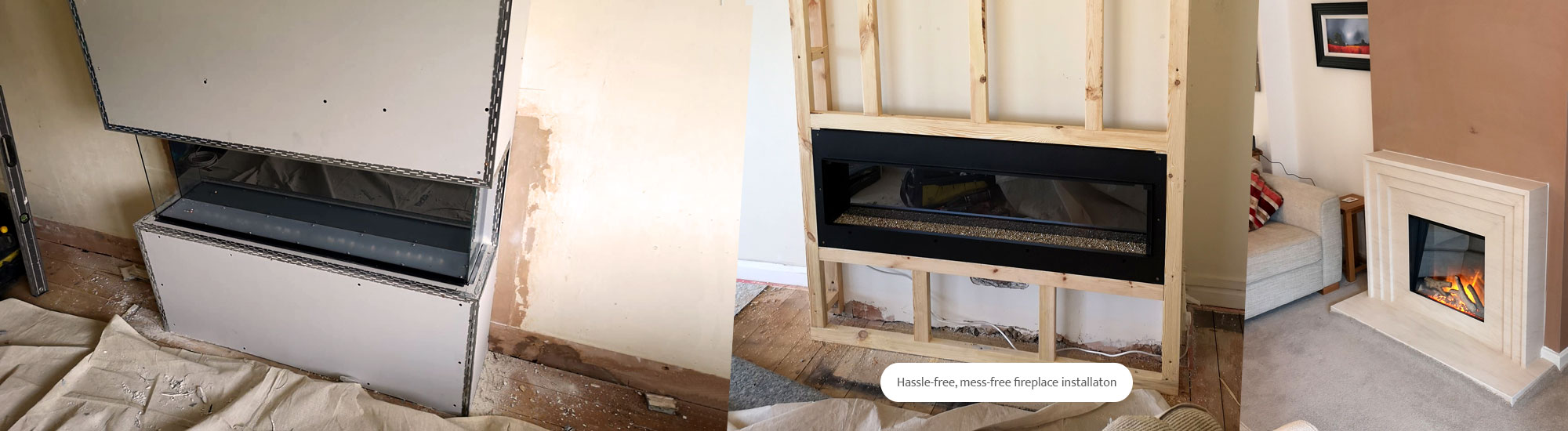
Hassle-free, approved installation
Peace of mind that we are Hetas and Gas Safe registered
and
all installations are guaranteed.